Campania visits & tours

Choose from the best tours and the best guided tours in Campania. Book now!!

Instagram

Are you ready for a unique experience?

We have guides in various languages. Contact us on WhatsApp.

+44 (0) 7507 629016 info@campaniavisitsandtours.com
Caserta Royal Palace guided Tour

CASERTA ROYAL PALACE TOUR

Contacts: info@campaniavisitsandtours.com / WhatsApp: +44 (0) 7507 629016

CASERTA ROYAL PALACE TOUR

€ 50 € 40 per person

YOUR EXPERIENCE

What you will do

  • Explore the Royal Palace of Caserta with an expert guide
  • Discover the history of one of the most beautiful royal residences in Italy
  • A UNESCO World Heritage site consisting of 1.200 rooms and a 120-hectare park
  • Discover countless fountains, the English Garden and the splendid frescoes

What you will visit during the Caserta Royal Palace Tour

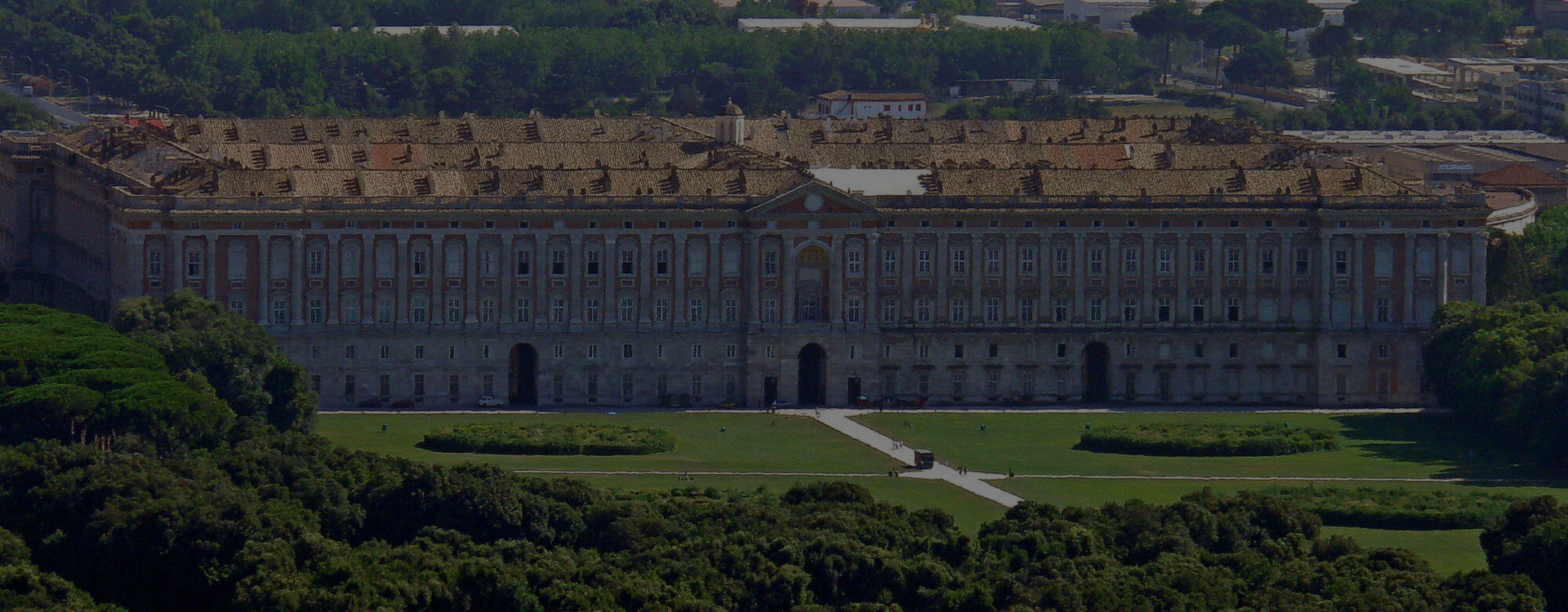
On this 3-hour private tour, you will discover one of the most beautiful royal palaces in Italy and the world, the famous Royal Palace of Caserta. Inspired by the palaces of Versailles in Paris and El Escorial in Madrid, the Palace was declared a UNESCO World Heritage Site in 1997.

The Bourbon king Charles III of Spain commissioned the construction of a new residence that could stand comparison with the most important European cities. Built on an area of ​​45,000 square meters, the project of the residence and garden was entrusted to the architect Vanvitelli, who designed an austere style building on the outside, with splendid rooms, and surrounded by a park with elegant and majestic fountains.
Walk the 3 km park to admire the so-called “waterway”, whose water passes through the Carolino Aqueduct, an engineering marvel designed by Vanvitelli. Stroll through the park to admire countless sculptures inspired by classical mythology, but also fountains, pools and waterfalls. Climb up the hill in front of the building to visit the English garden, a journey through the colors of native and exotic plants built by Maria Carolina, wife of Ferdinand IV of Bourbon.

With 5 floors and a height of 36 meters, the inside of the building has a unique beauty: 1200 rooms, 134 staircases and countless stuccos, bas-reliefs, frescoes, sculptures and inlaid floors that will leave you speechless. Head up the Scala Regia and join the Royal Apartments. The huge luminous staircase was obtained from a single block of marble and is now divided into two parallel staircases. You will also visit the Throne Room and the Bourbon rooms, all decorated by great 19th century artists and furnished by expert silk workers from the nearby factories of San Leucio.
You will have the opportunity to take numerous photos during breaks!
The tour is active every day during the months between January and December
Tour cost: 40 €
Included services: Guide in your language.
Not included services: Tickets and garden shuttle, meals, tips.
*The tour will start with a minimum of 2 participants.
Program:
08:00 First pickup from the Cruise Terminal
08:30 Second pickup in Piazza Municipio – in front of the Neptune fountain
14:30 Return to the meeting point, End of the Tour
Skip the line service

Useful information

  • Please arrive at the meeting place at least 15 minutes before the start of the tour
  • Comfortable shoes are recommendede

Languages: ItalianEnglishSpanish

YOU CAN REQUEST AN ESTIMATE FOR PRIVATE TOURS

Fill out the form to book the Caserta Royal Palace Tour or contact us on WhatsApp: +44 (0) 7507 629016

Download the pdf of the Caserta Royal Palace Guided Tour

The tours offered by Campania Visits and Tours are all carried out with the collaboration of official and certified tour guides.
An official and certified tour guide is a licensed professional (compulsory for the Italian law) who, for work, accompanies individuals or groups of tourists to visit museums, galleries, archaeological excavations, works of art and sites of tourist interest, of which illustrates the characteristics and landscape, artistic, historical and cultural attractions.
This professional figure should not be confused with that of the tour leader, who is instead limited to assisting and providing information to tourists, sometimes accompanying them even on the sites of interest, but without conducting the guided tours.

How to book
To finalize the booking of the tour or the requested service (eg Transfer ..), use the request form on the page of the service that you want to book.
A member of our staff will contact the person who made the booking to illustrate the payment methods for the chosen service.
Once the payment is received, we will send an email confirming the tour or service with the following information:
– Date of execution of the service;
– Name of the person who made the booking and number of participants;
– Tour itinerary and included services;
– Instructions to reach the meeting point with our guide;
– Emergency telephone number.

Campania Visits and Tours reserves the right to modify the itineraries and / or timetables due to major force (adverse weather conditions, rough seas, etc.).
Campania Visits and Tours is not responsible for any museum, archaeological sites closures and is not responsible for strikes, delays, irregularities in city traffic or any other type of damage caused by third parties or force majeure.
Campania Visits and Tours is not responsible for any changes in the input prices or increases in the cost of the services. In the event that such exceptional circumstances should prohibit the execution of the service, Campania Visits and Tours will reimburse the customer the full paid amount, but no other compensation will be due.
Campania Visits and Tours is not responsible for any loss or theft of objects owned by the guests during the tours. For payments by credit card there is a 3% surcharge on the cost of the tour (for American Express the supplement is 5%).

The payment for the requested service will be charged to the credit card indicated in the booking procedure 3 days before the start date of the same.
Once the deadline of 3 days before the starting date of the service expires, it must be paid also in case of non-execution.
In the event that the booking of the service should take place after the 3-day deadline, the payment will be immediate.
The customer can cancel his reservation completely free of charge no later than 3 days before the starting date of the service.
Cancellations received after this deadline will be subject to the payment of the cost of the service.

The cancellation of the reservation must be made through the following e-mail: info@campaniavisitsandtours.com, once the cancellation e-mail has been sent, in case of failure to receive confirmation of the cancellation of the service, contact Campania Visits and Tours.

3 Hours
  • Departure
    First pick up from the Cruise Terminal - Second pickup in Piazza Municipio (in front of the Neptune fountain)
  • Departure Time
    Please arrive at xxxxx for a quick departure at xxxxxx
  • Return Time
    xxxxxx
  • Dress Code
    Casual. Comfortable clothes, sneakers, a hat and a jacket.
1

Scavi Pompei

Scavi Pompei

Scavi Pompei

Gli scavi archeologici di Pompei hanno restituito i resti della città di Pompei antica, presso la collina di Civita, alle porte della moderna Pompei, seppellita sotto una coltre di ceneri e lapilli durante l'eruzione del Vesuvio del 79, insieme ad Ercolano, Stabia ed Oplonti. I ritrovamenti a seguito degli scavi, iniziati per volere di Carlo III di Borbone, sono una delle migliori testimonianze della vita romana, nonché la città meglio conservata di quell'epoca. Approfondisci

Location

Primo pickup dal Terminal Crociere - Secondo pickup a Piazza Municipio – di fronte alla fontana di Nettuno

Scavi Pompei

Pompei (Pumpeje in napoletano) è un comune italiano di 25 358 abitanti della città metropolitana di Napoli, in Campania.
Periodo prima dell'eruzione
Una migrazione di abitanti dalle terre dell'Egeo discendenti dei Pelasgi, formò un primitivo insediamento ai piedi del Vesuvio, nell'area di Pompei: forse non un villaggio vero e proprio, più probabilmente un piccolo agglomerato di case posto all'incrocio di tre importanti strade, ricalcate in epoca storica dalla via proveniente da Cuma, Nola, Stabia e da Nocera.
Fu conquistata una prima volta dalla colonia di Cuma tra il 525 e il 474 a.C.: le prime tracce di un centro importante risalgono al VI secolo a.C., anche se in questo periodo la città, sembra ancora un'aggregazione di edifici piuttosto disordinata e spontanea.
La battaglia persa dagli Etruschi nelle acque di fronte a Cuma contro Cumani e Siracusani (metà del V secolo a.C.) portò Pompei sotto l'egemonia dei sanniti. La città aderì alla Lega nucerina: probabilmente risale a questo periodo la fortificazione dell'intero altopiano con una cerchia di mura di tufo che racchiudeva oltre sessanta ettari, anche se la città vera e propria non raggiungeva i dieci ettari d'estensione.
Fu ostile ai Romani durante le guerre sannitiche. Una volta sconfitta, divenne alleata di Roma come socia dell'Urbe, conservando un'autonomia linguistica e istituzionale. È del IV secolo a.C. il primo regolare impianto urbanistico della città che, intorno al 300 a.C., fu munita di una nuova fortificazione in calcare del Sarno.
Durante la seconda guerra punica Pompei, ancora sotto il controllo di Nuceria Alfaterna, rimase fedele a Roma e poté così conservare una parziale indipendenza. Nel II secolo a.C. la coltivazione intensiva della terra e la conseguente massiccia esportazione di olio e vino portarono ricchezza e un alto tenore di vita.
Allo scoppio della guerra sociale Pompei fu ostile a Roma: nell'89 a.C. Silla, dopo aver fatto capitolare Stabia, partì alla volta di Pompei, che tentò una strenua difesa rinforzando le mura cittadine e avvalendosi dell'aiuto di un gruppo di celti capitanati da Lucio Cluenzio. Ogni tentativo di resistenza risultò vano e la città cadde ma, grazie all'appartenenza alla lega nucerina, ottenne la cittadinanza romana e fu inserita nella Gens Menenia.
Nell'80 a.C. entrò definitivamente nell'orbita di Roma e Silla vi trasferì un gruppo di veterani nella Colonia Venerea Pompeianorum Sillana. Tacito ricorda la rissa tra Nucerini e Pompeiani del 59 d.C. nell'Anfiteatro romano di Pompei, che spinse i consoli a proibire per dieci anni ogni forma di spettacolo gladiatorio.
Nel 79 d.C. Pompei fu interessata dall'eruzione del Vesuvio, che la seppellì sotto una coltre di materiali piroclastici di altezza variabile dai cinque ai sette metri, determinandone la fine. Al momento dell'eruzione molti edifici erano in fase di ricostruzione a causa del sisma del 62 d.C..
Periodo prima
Alcuni reperti bizantini testimoniano l'esistenza di un piccolo insediamento anche nel Medioevo; in questo periodo gli abitanti erano concentrati in località Civiltà Giuliana, a nord della città antica e in posizione più elevata, vista la presenza di paludi e di una forte umidità nella parte più meridionale, nei pressi del fiume Sarno, portatrice di malattie e morte. Successivamente il Sarno fu deviato dal Principe di Scafati, e ciò provocò la morte di quasi tutti gli abitanti della valle di Pompei. I Borboni realizzarono poi alcune opere idrauliche e la foce del fiume fu interamente bonificata e delimitata da argini in pietra. A inizio Ottocento fu costruita la Chiesa della Giuliana, ora in stato di abbandono.
La Pompei moderna fu fondata dopo la costruzione del Santuario della Beata Vergine del Rosario di Pompei. Il Santuario fu consacrato nel 1891.
Il comune di Pompei fu istituito il 29 Marzo del 1928, acquisendo la parte del territorio di Scafati denominata Valle di Pompei, il comune di Scafati cedette la gran parte del territorio attuale della città di Pompei, altro territorio fu ceduto dai comuni di Torre Annunziata, Boscoreale, Gragnano e Castellammare di Stabia.
Personaggio di rilievo fu Bartolo Longo, proclamato beato il 26 ottobre 1980 da papa Giovanni Paolo II. Per sua volontà fu eretto il Santuario della Beata Vergine del Rosario di Pompei, ora Basilica Pontificia, ricca di ex voto, la quale costituisce una delle mete italiane più frequentate "per grazia ricevuta"; in esso è conservata la tela seicentesca della scuola di Luca Giordano, raffigurante la Madonna di Pompei. Un pellegrinaggio si verifica in occasione delle due suppliche alla Madonna, l'8 di maggio e la prima domenica di ottobre. Si devono a lui anche due strutture destinate all'accoglienza dei figli e figlie di persone carcerate.
Ebbe risalto internazionale la registrazione in audio e video, nell'Anfiteatro romano di Pompei, avvenuta nell'ottobre 1971, del concerto dei Pink Floyd, pubblicato nel 1972 come Pink Floyd a Pompei. Il concerto fu tenuto in assenza di pubblico, alla presenza del solo staff tecnico.
Nello stesso anfiteatro l'ex componente degli stessi Pink Floyd, David Gilmour ha eseguito due concerti nel luglio 2016, da queste tappe, del suo Rattle That Lock Tour, è stato tratto un album dal vivo, sia audio che video, dal titolo Live at Pompeii pubblicato nel 2017.
Via dell'Abbondanza
Piena di ristoranti, bar, panifici, falegnami, lavanderie, fruttivendoli e case private, Via dell'Abbondanza era la strada di maggiore fermento dalle prime ore del mattino sino alle ore 13:00 circa.
Passava vicino al Foro ed al Comitium, e costituiva il decumanus inferior della Città di Pompei, attraversandola tutta da Porta Marina (così chiamata perché conduceva al mare) a Porta Sarno.
Il nome della via deriva da un bassorilievo presente su una fontana pubblica posta sulla via stessa: raffigurava la Fortuna, con la cornucopia, corno dell'abbondanza da cui trabocca una serie di primizie, ed era quindi rappresentazione dell'abbondanza.
s
You don't have permission to register